In Blue Prince, a Slice is three stars that form a constellation — earned separately, across different runs, meaning nothing individually until the pattern completes. You don't plan for it. You just look down one day and realize the shape is there.
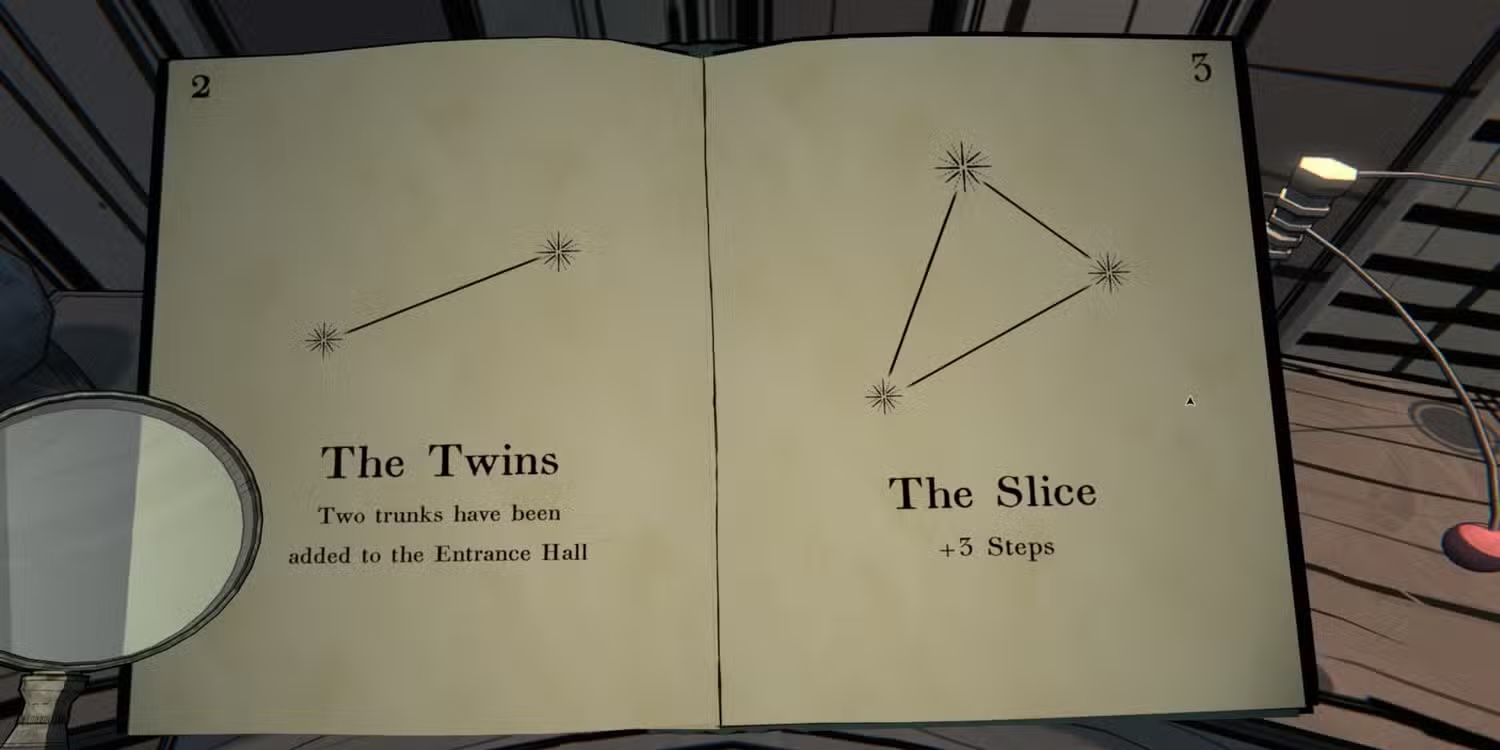
This week handed me a Slice.
The Introduction
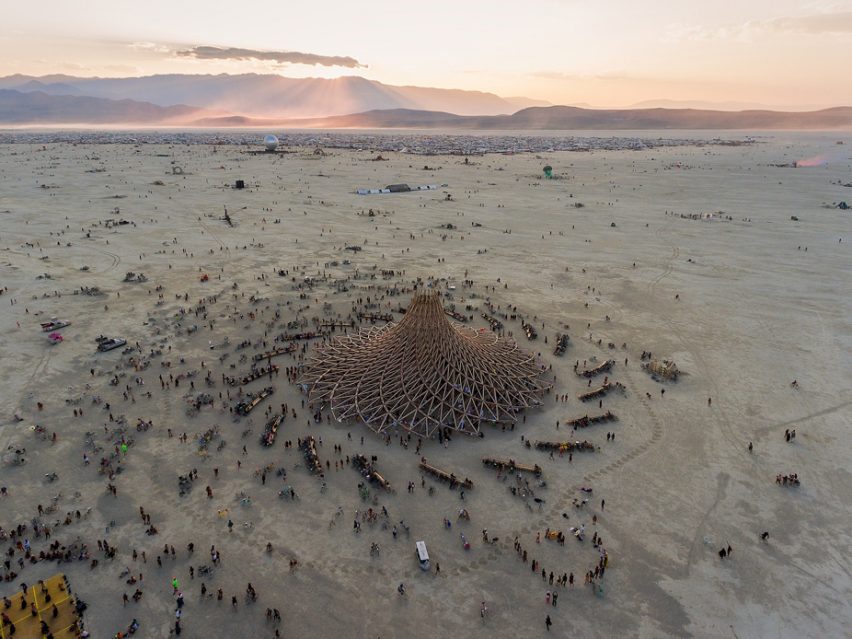
A coworker and I figured out a while back that we'd both been to Burning Man in 2018. We didn't know each other then — we met later, at work — but the overlap meant something. Burners tend to find each other. There's a shorthand, a certain kinship that doesn't require much explanation.
What I didn't know until this week: she and the owner of an independent game publishing company found each other the same way. Same year, same desert.
I've been sharing this project with her for about a month — the board game, the prototype, the playtest sessions. She thought of her friend, and offered to make an introduction.
That's the first star in the constellation. Two months ago I hadn't even Sharpied the first room tile. Now I have the opportunity to sit down with an actual publisher. Wow.
It landed the same week as Session 3 — the biggest playtest yet. And in that same window, an invitation arrived to an AIGA board game design and print event — something I'd never sought out, never thought to look for, from a completely separate direction.
A publisher introduction. A playtest. A design event. Three things, one week, no common thread. The Slice.
The playtest handed me a list of real problems. Gnarly ones, some of them. But after enough sessions you learn to read the difference between a broken game and a game that isn't finished yet. This is the second kind. The feedback was honest, the gaps are specific, and specific gaps can be closed. Two new deadlines and a reason to keep working — that's not a bad place to land.
After the Humbling
Session 3 is documented in the previous post. The short version: three hours, two players, Day 3, one room from the Antechamber. The game worked. The bones held. What surfaced was a list of solvable problems — the traverse/explore tension Chris named plainly, the coin economy, the Special Key path, the glossary. None of these are design failures. They're gaps. Places where the game hasn't finished explaining itself yet.
I'm not worried about any of them.
Amateur Hour
The publisher introduction caused me to look at the site as if I'd never seen it. What came back was that the project had been presenting itself as more amateur than it actually is. Blog posts buried. Playtest data invisible. The about section written for people who already know the video game.
Spent the better part of a day fixing that. The most credible content — Session 3 data, NPS 7 and 8, both players would play again, Chris's quote about breadcrumbs — is on the homepage now where it belongs.
Amateur hour is ending. I'm not sure what comes next. The labels depend on the context. But something shifted this week and I can feel the difference.
Who Else Is Building This
I did a sweep of what's out there. Who else is working on a Blue Prince adaptation.
Nobody who's close.
There's a multi-contributor fan design document — an "inspired by" adaptation set in a corporate building, with dozens of rooms, a stock market, terminal menus, an electricity system. Enormous on paper. No turn structure. No draft procedure. No playtesting. A content list without a game underneath it.
There's a Discord user who cut out the video game room art and framed it in colored card stock. Visually closer to the source material than my prototype. No mat, no token system, no rules.
Meanwhile, Blue Prince launched on Switch 2 in March. A fresh wave of players is entering the game right now. The community is growing. Tonda Ros has said Blue Prince is governed by a "boardgame goal" above all else — the creator of the source material making the argument for a physical adaptation himself.
The audience exists. Nobody has built the thing yet.
Sunday
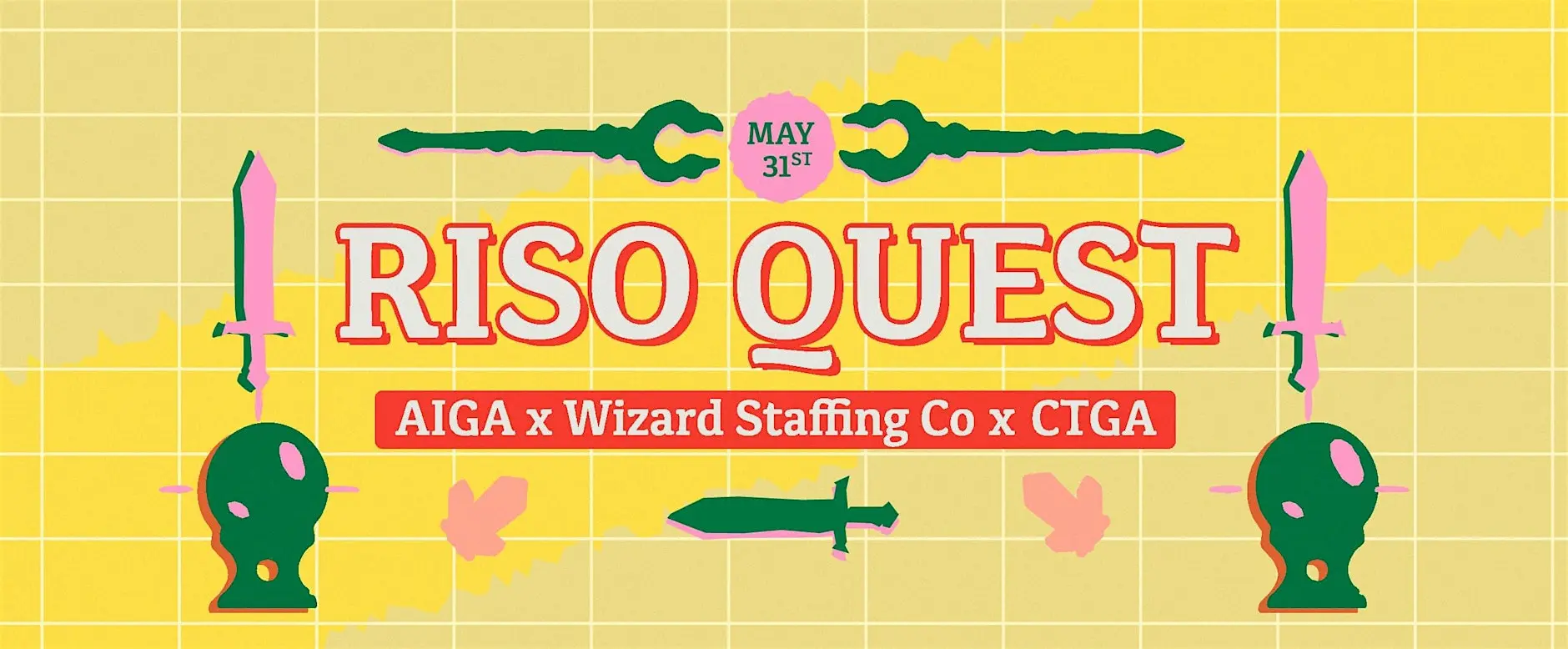
Riso Quest — an AIGA x Wizard Staffing Co x CTGA board game design and print event — is this weekend. The original goal was simple: print a new mat. Then the 8bit mat arrived — the big one — and it fits the tiles and items with an accuracy that shouldn't be possible for something not designed for this game.
Something about this project keeps getting lucky in ways I can't explain.
So the question is what Sunday is actually for now. Maybe it's no longer just about printing. Maybe it's about showing up in a room full of people who make physical games and seeing what that conversation looks like.
I don't have a clean answer. I'm going anyway.
That's what this week felt like.